What are past projects, failures, or successes you’ve had in your career?
Past Projects
1. DocTunes (2021-Present)
Overview: Co-founded DocTunes, a platform focused on simplifying document management and collaboration.
Success: Scaled to over 250k+ users from 170+ countries within two years, successfully meeting diverse user needs across the globe.
Lesson Learned: User feedback and data-driven decisions are key to scaling any product.
2. MultiLipi (2024)
Overview: Launched MultiLipi, a multilingual SEO platform aimed at breaking language barriers in global business.
Success: Within the first few months, secured B2B clients, participated in impactful events, and received government contracts.
Ongoing Growth: Strong focus on catering to the global market, where 60% of searches are conducted in native languages.
What 3rd party tools is your product critically dependent on?
Azure Translation API
Where is your customer data stored?
Central US
What is your current monthly recurring revenue (MRR)?
8500
How many customers do you have today?
We got a contract of implementing our solution in 200+ government departments which covers 900+ websites
What’s the origin of the idea for your product?
Origin of the Idea for MultiLipi's Multilingual SEO:
- The idea for MultiLipi's Multilingual SEO platform came from recognizing a major gap: 90% of searches in India are in local languages, yet most websites are optimized only for English. This inspired us to create a solution that helps businesses bridge the language divide, making their content accessible and SEO-optimized for diverse audiences. Passion Behind the Product:
- At MultiLipi, we believe language should never be a barrier. We’re passionate about empowering businesses to connect with customers in their native languages, fostering trust and inclusivity. By enabling businesses to expand their reach with multilingual SEO, we’re not just offering a tool—we’re driving meaningful connections in a diverse digital world.
What problem is your product solving and how?
What Problem is MultiLipi Solving and How?
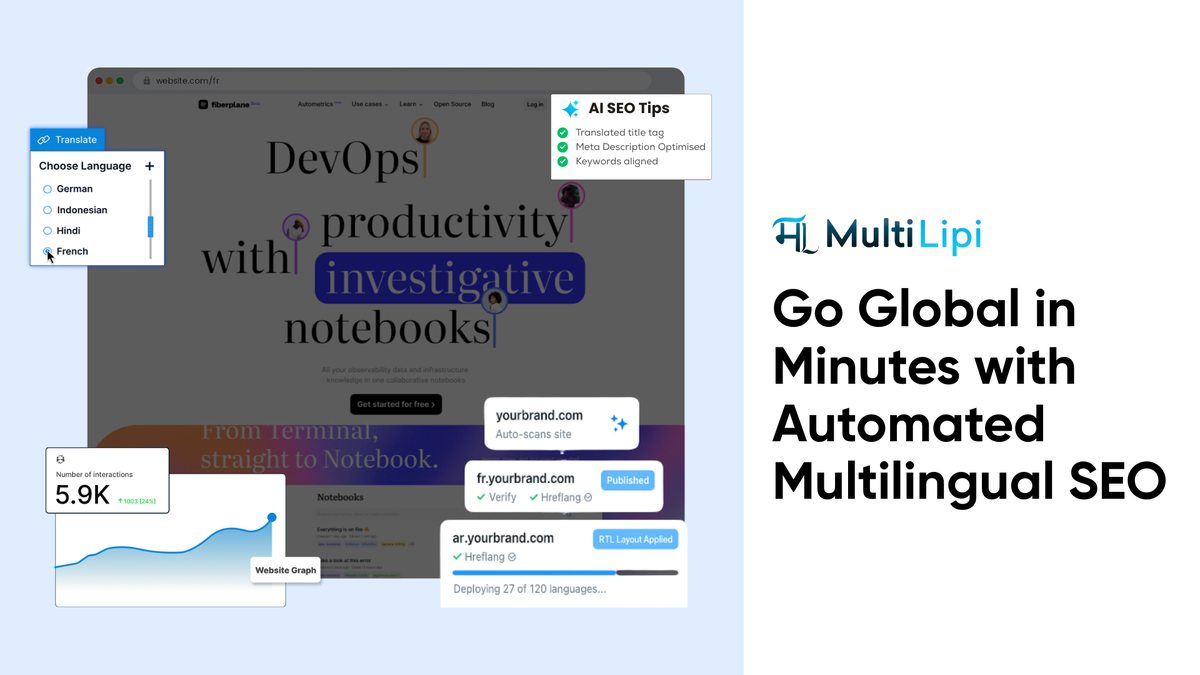
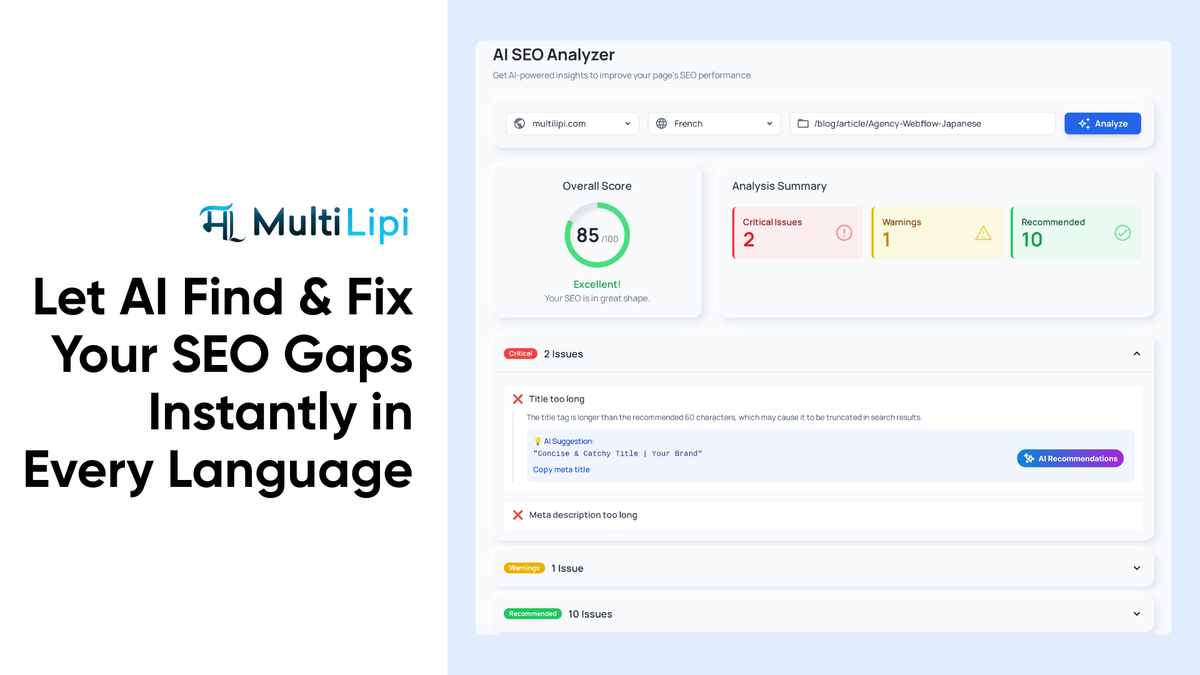
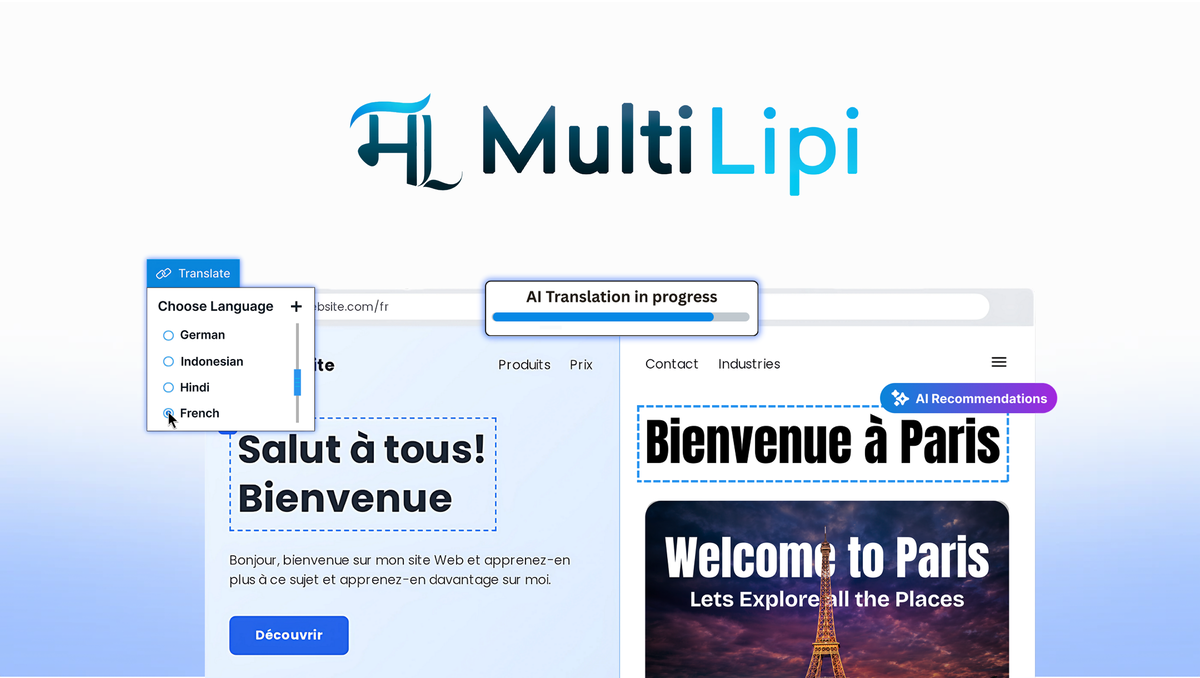
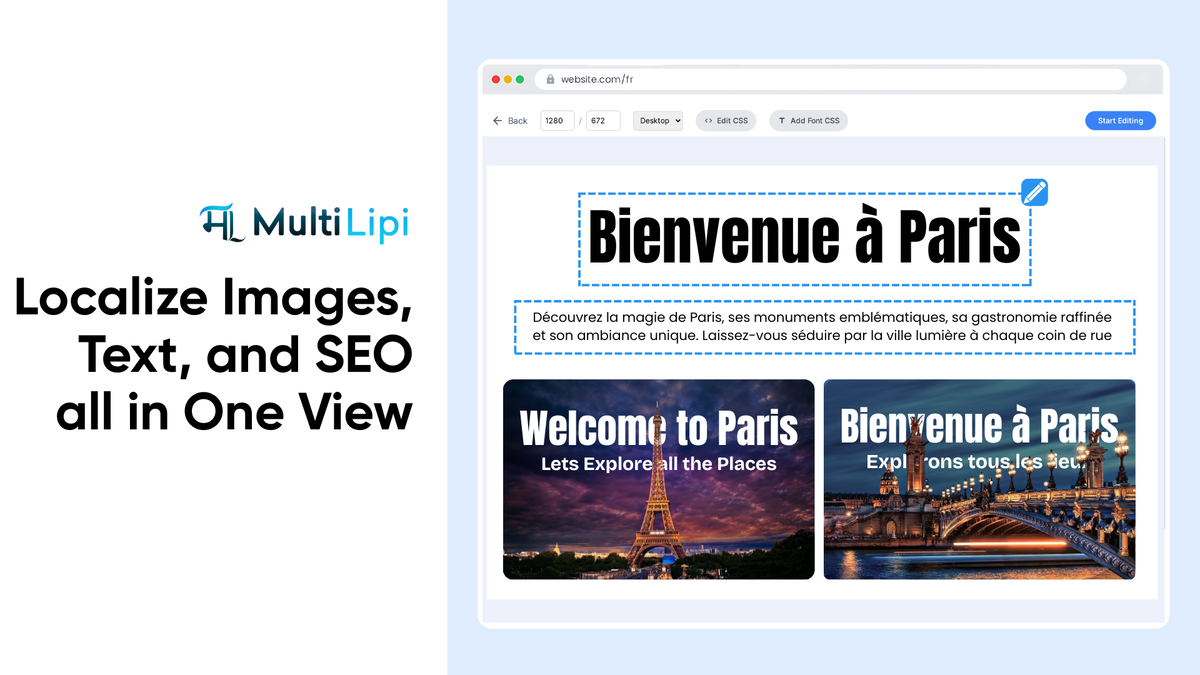
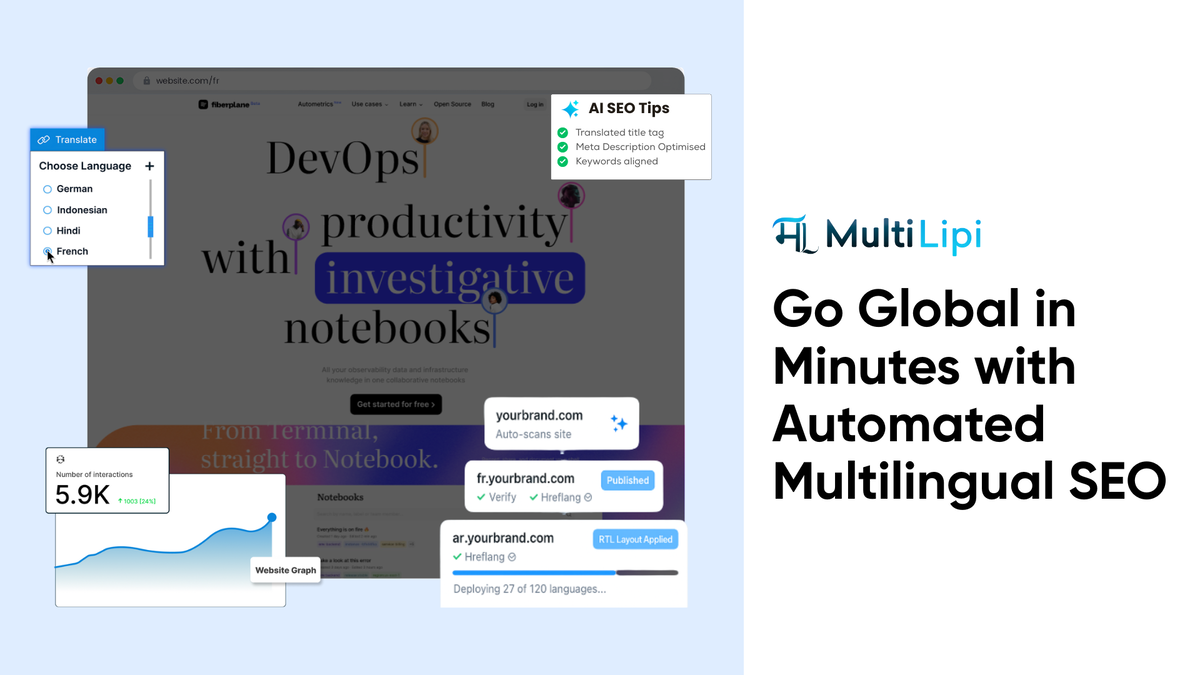
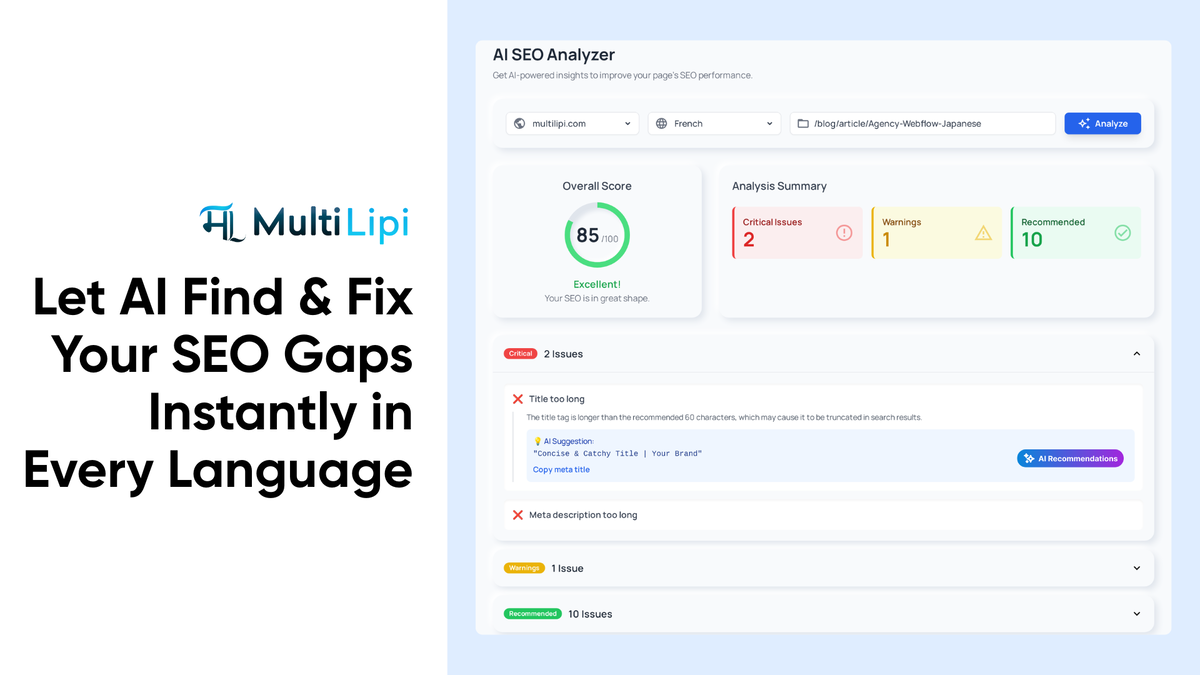
MultiLipi tackles the challenge of reaching multilingual audiences in markets where most online users prefer native languages but websites are only optimized for English. It bridges this gap by enabling businesses to create SEO-optimized, multilingual websites using AI-driven translation, glossary tools, and editing options. This ensures accurate, culturally relevant translations that improve visibility and engagement.
What Sets MultiLipi Apart?
1. SEO-Driven Translations: Designed with SEO at its core for better search engine visibility.
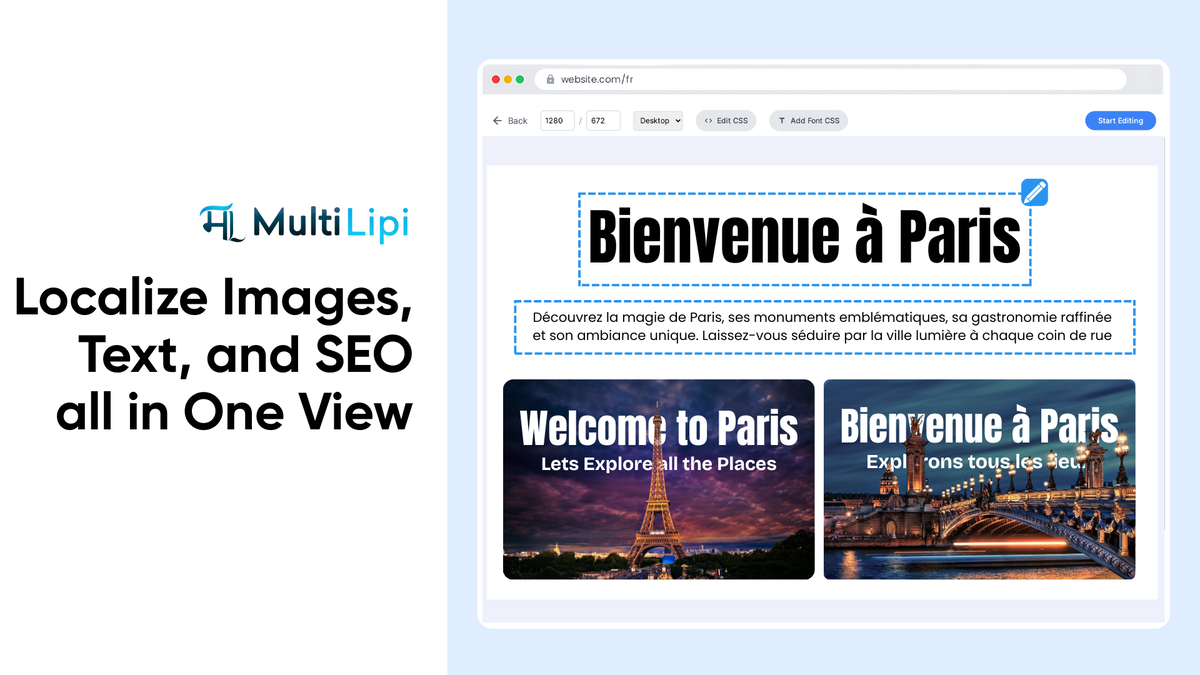
2. Customization: Offers tools for refining translations and using brand-specific glossaries.
3. Scalability: Supports all website types and large-scale translation needs.
4. Customer Focus: Helps businesses connect authentically with diverse audiences. MultiLipi combines technology and expertise to make multilingual SEO accessible, transforming how businesses engage with global and local markets.
What’s the #1 thing you’re looking to gain from the AppSumo campaign?
The #1 thing we’re looking to gain from the AppSumo campaign is valuable user feedback to refine our product and drive virality through word-of-mouth, ultimately building strong use cases for MultiLipi.
What are your plans with the customers, cash, and learnings from the AppSumo campaign?
We plan to use the customer feedback to refine MultiLipi, the cash to scale operations and enhance features, and the learnings to improve our marketing strategies and product offerings, ensuring long-term value for users.
Any details to clarify about the deal?
Deal Details and Clarifications
1. Feature Limits: The deal includes all core features like AI-driven translation, SEO optimization, glossary tools, and customization. Advanced features like team access or API integration may have usage limits, which are clearly defined in the plan details.
2. Supported Countries: MultiLipi supports websites globally and is designed to handle multiple languages, making it ideal for diverse markets. There are no geographic restrictions, but our primary focus is on countries with high multilingual demand, such as India and other non-English-speaking regions.


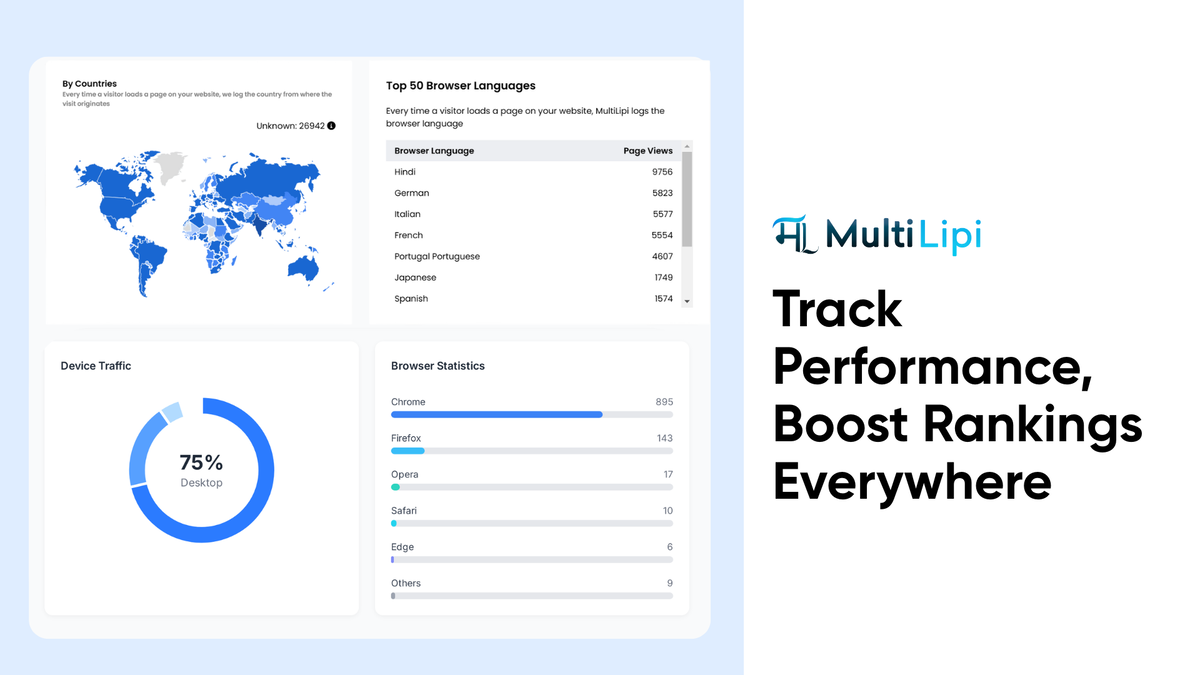

 Easily translate websites with AI and boost visibility in local search results