Hey Sumo-lings,
We owe you a longer explanation than the email we sent about the credit change. Some of you are angry, and we understand why. You bought a lifetime deal under certain conditions, and we changed those conditions. So let us walk you through exactly what happened, with full transparency, and tell you where we go from here.
Where we started
When we launched on AppSumo, Seelab ran entirely on lightweight, low-resource image generation models (like flux.dev) so our cost per image was extremely low. That's what made the generous credit allocations of the LTD tiers possible. The deal was honest math at the time.
Then the market moved — fast
Over the past year, a new generation of multimodal models arrived: Nano Banana, then Nano Banana 2, GPT Image 2. The quality gap with Flux Dev isn't small, it's massive. Today, Flux Dev outputs are simply below market standards, and frankly, below your standards too. Many of you told us so directly, and you were right to ask for these models.
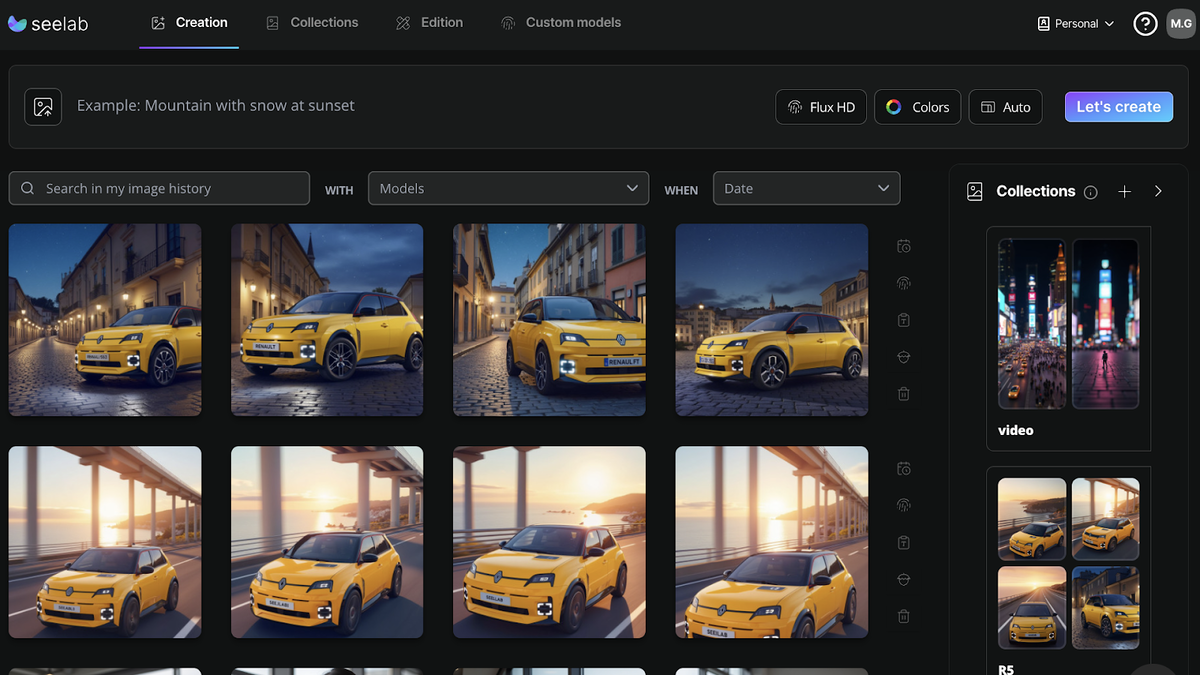
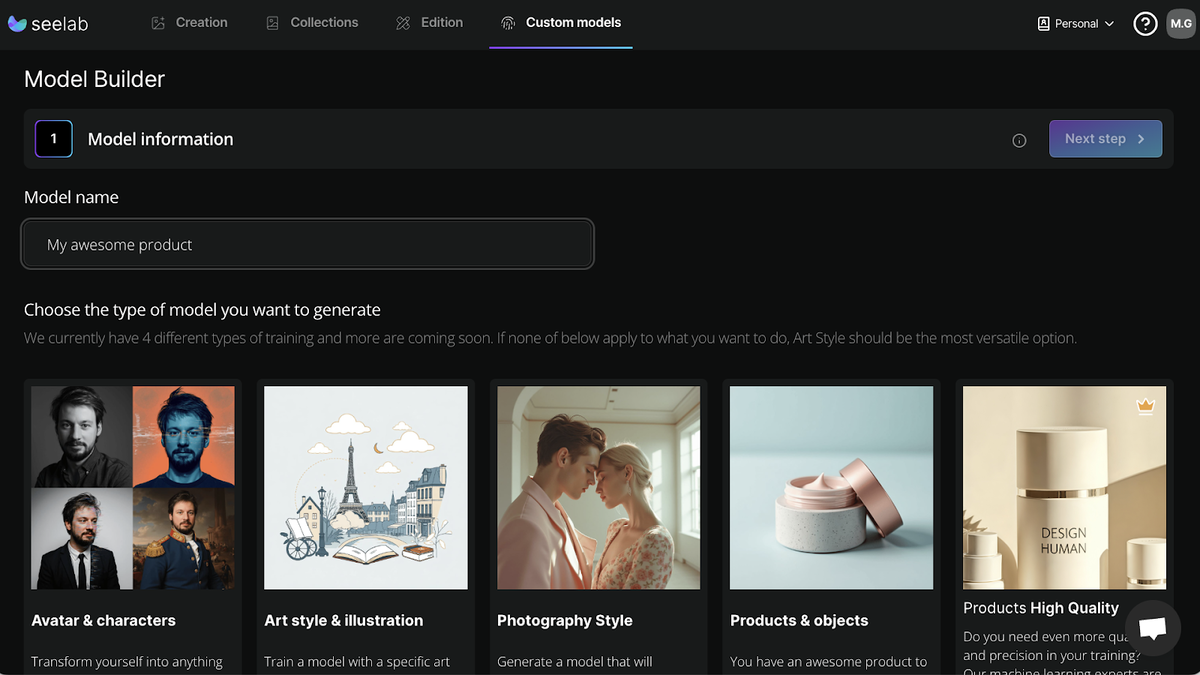
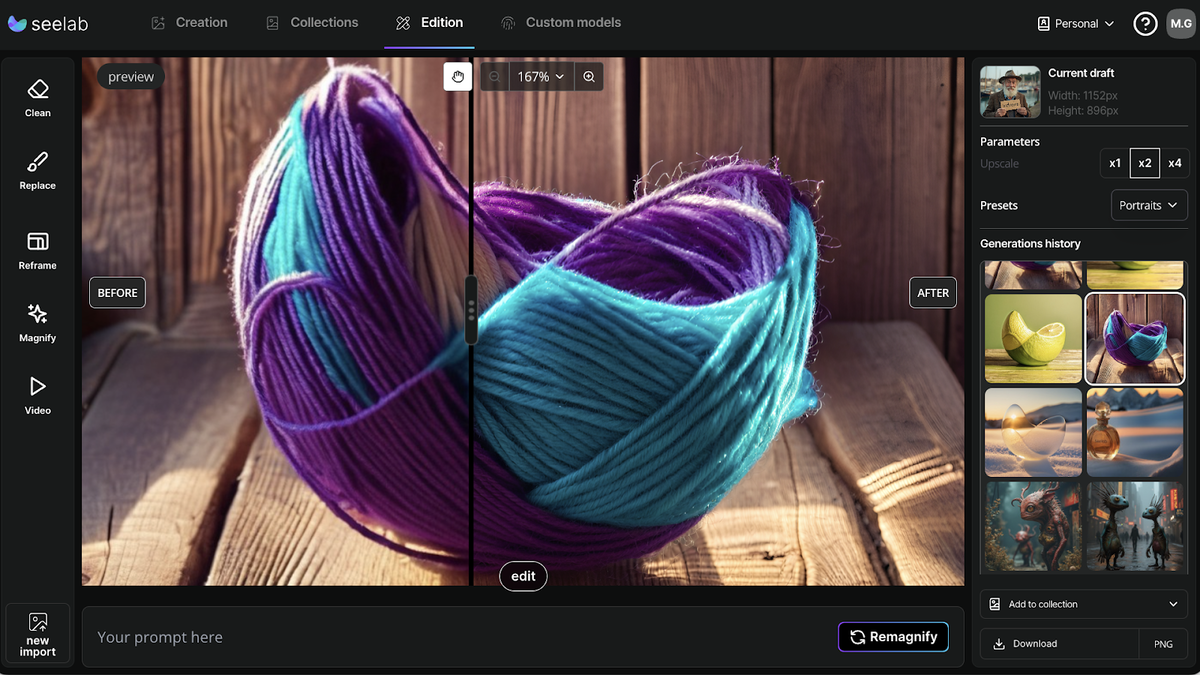
So we did what you asked. We integrated the new frontier models into the platform. We also rebuilt our entire training pipeline (product, character, and style modeling) on top of these multimodal models, because that's where the quality is now. Today, Flux Dev is barely used on Seelab. The platform you're using in 2026 is a far better product than the one you bought.
The part nobody likes: the economics
Here's the catch. These frontier models are not open weight. We can't host them ourselves. They're only available through paid APIs, billed per image, and they cost many times more per generation than our old self-hosted setup, in some cases well over 20x. And the "State of the art model" changes almost every quarter, so this isn't a one-time bump; staying at the frontier is a permanently higher cost structure.
On top of that, usage is very unevenly distributed. A very small group of accounts generates at extreme volumes that, at API prices, cost us far more every month than those licenses ever brought in. We absorbed these losses for months because we wanted to keep faith with this community. But the gap kept widening, and at some point, continuing as-is would have threatened the platform itself: for everyone, LTD holders and subscribers alike.
"But better open-weight models exist now, right?"
Some of you will rightly point out that newer open-source models have been released since Flux Dev (Z-Image, Qwen-Image, and others) and that they're genuinely better. That's true, and we evaluated them seriously. Here's why we didn't go that route:
- They're still a step behind. On output quality and especially prompt understanding, these models remain below the multimodal frontier (Nano Banana 2, GPT Image 2). The gap is real, and it's precisely the gap this community asked us to close.
- Integration isn't a swap. Seelab isn't a raw model wrapper. Every model has to work with our training pipeline (product, character, style), the editor, the composer, the workflows. Adapting all of that to a new open-source model family means months of engineering — time not spent improving the product you actually use.
- We can't run both stacks. This is the hardest constraint: maintaining a GPU infrastructure for open-source models and paying frontier multimodal APIs on top would mean carrying two cost structures at once. Financially, that's simply not viable for a company our size. We had to pick one path, and we picked the one that delivers the best quality today and lets us adopt each new frontier model as it ships, instead of being locked into hardware that's obsolete every six months.
The choice we faced
Realistically, we had three options:
- Go back to a Flux Dev open-weight stack. Cheaper credits, but lower quality, weaker prompt understanding, and months of re-engineering — a worse product than what you have today.
- Keep everything unchanged and quietly bleed out. You've all seen AI tools on AppSumo go silent, sunset their deals, or shut down entirely. We refuse to be that story.
- Adjust credit consumption to reflect what these models actually cost, and keep giving you full access to the best models on the market, forever.
We chose option 3. The x20 adjustment isn't arbitrary: it reflects the real cost difference between self-hosted Flux Dev and today's frontier API models.
What you keep
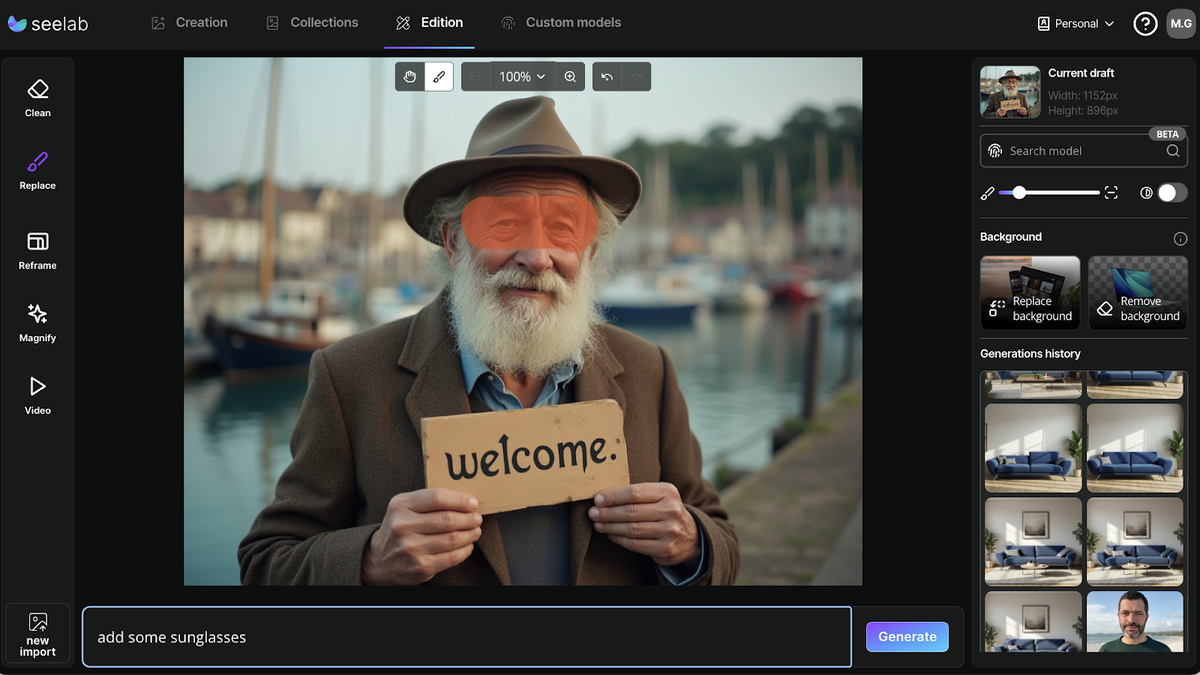
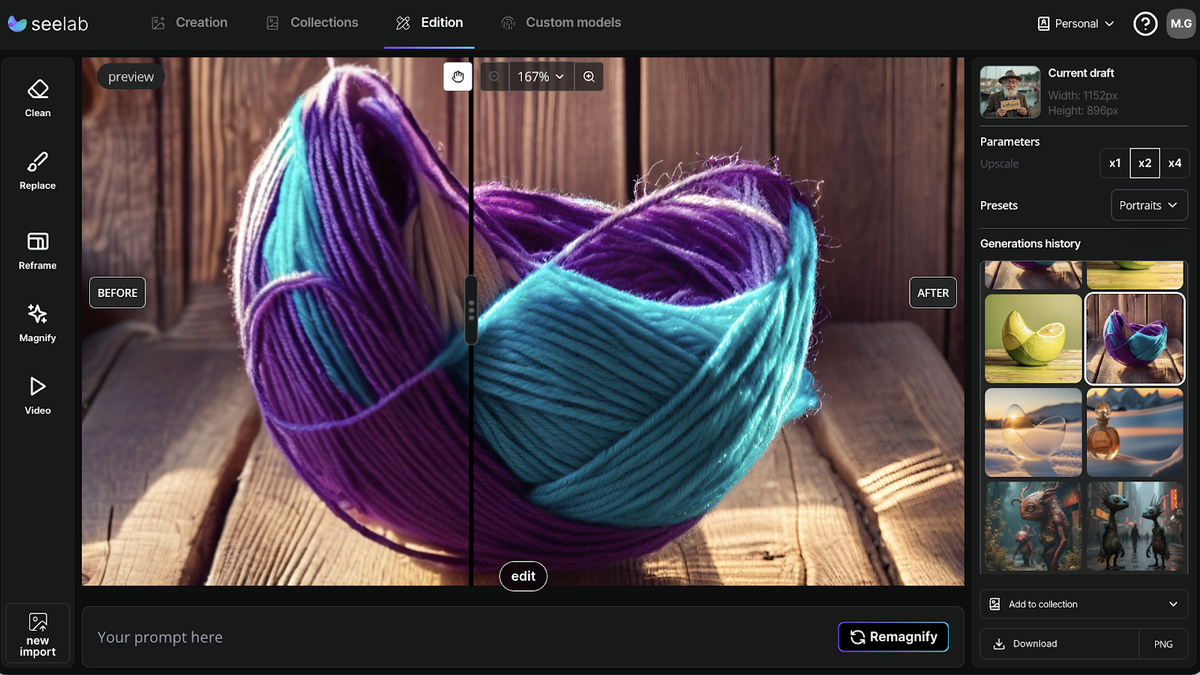
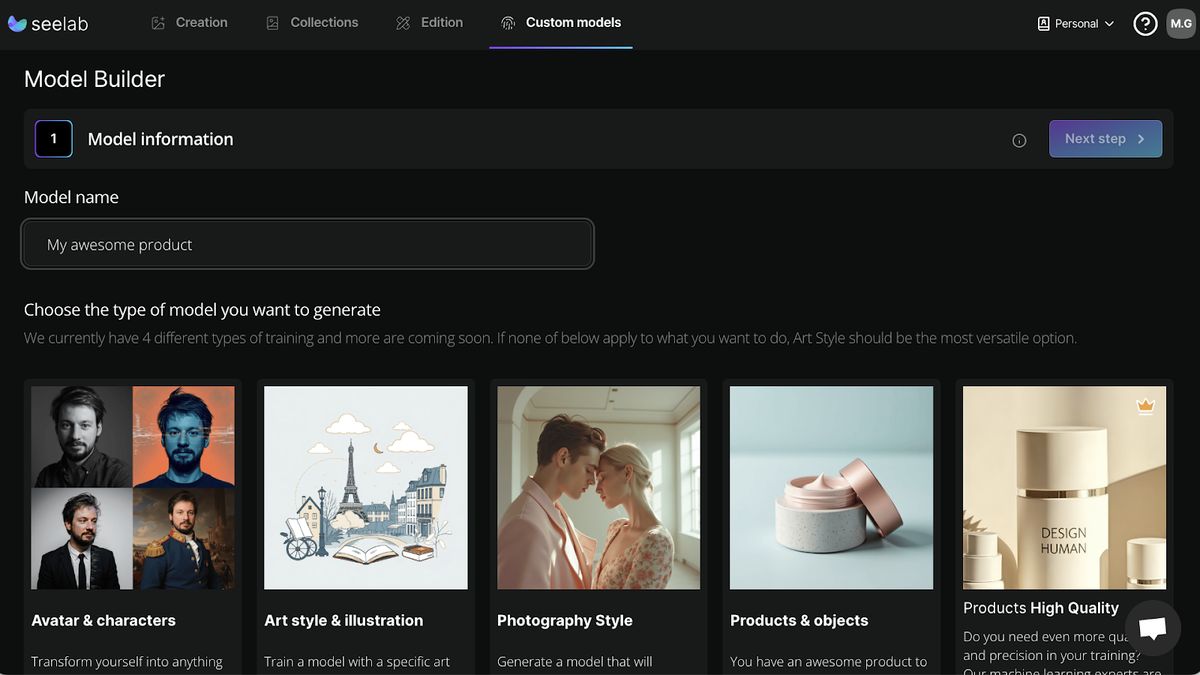
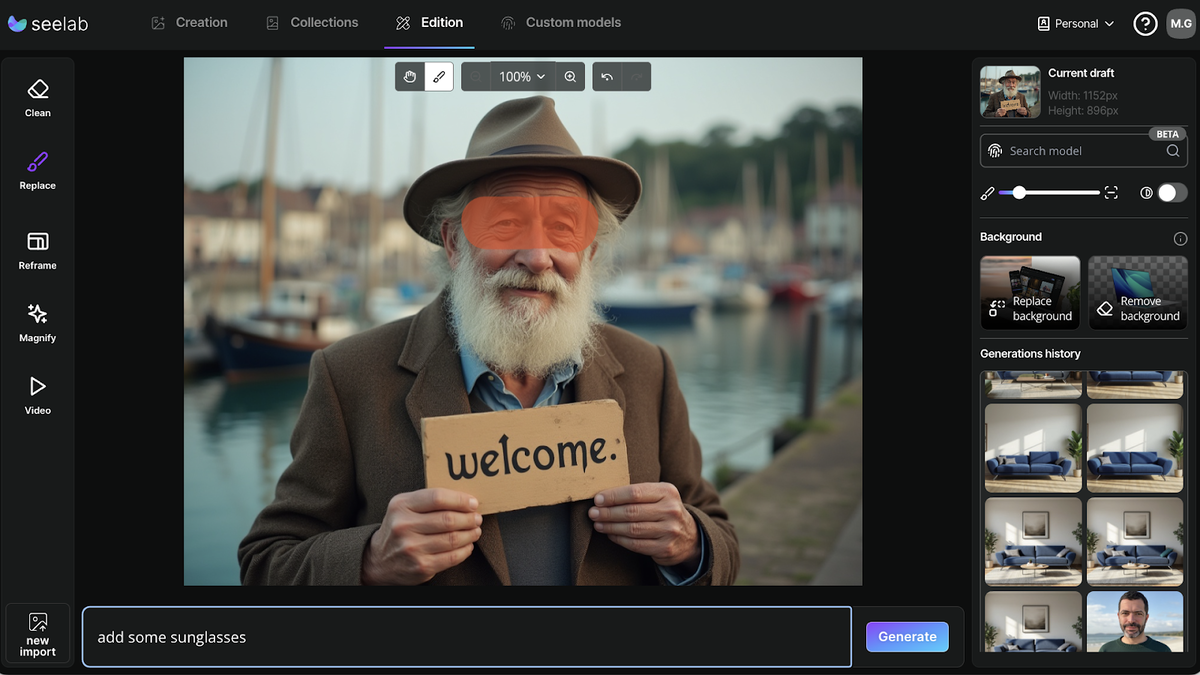
To be clear, nothing has been removed from your plan. Your lifetime license still includes the most advanced third-party models, all our proprietary brand/product/character/style training, the full editor (inpainting, upscaling, reframe), and now resolution and quality controls where models support them. You bought lifetime access to a platform that keeps improving — and that's exactly what we intend to keep delivering, as we have with every update we've shipped here.
What we'll own
We should have anticipated this shift better when we structured the deal, and we should have communicated earlier and more gradually instead of in one email. That's on us, and we're sorry for how this landed. But we'd rather make a hard, honest adjustment that keeps Seelab healthy for the next years than make a comfortable promise we can't keep.
Where we go from here
We're also thinking about how to make your credits go further. Credit costs already vary by model, and quality/resolution options let you spend premium credits only when you actually need premium output. And we want to be clear on one commitment: this adjustment reflects today's real model costs — if those costs come down, we will pass the decrease on to credit consumption. This works both ways. If you're a high-volume user, reach out: we'll look at your usage together and find the setup that makes sense, including our Enterprise plan if that's the right fit.
Thank you for being early believers in Seelab. This community pushed us to integrate better models, to improve the editor, to build features we wouldn't have prioritized otherwise. We're not going anywhere — we're adjusting precisely so that we never have to.
The Seelab team



 Create custom images for products and other brand assets