Over the past few days on AppSumo, many of you have asked how FormGent actually started. I wanted to share the thinking behind it.
The idea didn’t start with forms.
Back in 2024, I was working on another WordPress product, HelpGent. The goal there was simple: make customer support easier without relying on external tools or complex integrations. While building it, I kept running into the same issue again and again.
Most tools in this space, including form builders, try to do everything but end up becoming harder to use and more expensive as you grow. What should be simple often turns into managing multiple plugins, settings, and workflows.
That’s where the idea for FormGent came from.
Instead of trying to compete on more features, I decided to focus on something many tools overlook—keeping things simple, easy to learn, and inside one system. No fragmented setup. No jumping between tools.
We launched a beta at the end of 2024. It was very basic, but it helped us validate one thing clearly: users liked the direction. They wanted this kind of simplicity, but they also expected more depth.
So we spent the next 10 months refining it and released version 1.0 around six months ago.
The response to that version gave us more confidence. It showed that even in a crowded market, there is still room for a tool that prioritizes clarity over complexity. Many users don’t need more options. They need a faster way to get real work done.
Since then, we’ve continued improving the product, and the feedback has been encouraging. Some users even started recommending FormGent publicly, which gave us the confidence to bring it to AppSumo.
At this point, we don’t see FormGent as just a form builder.
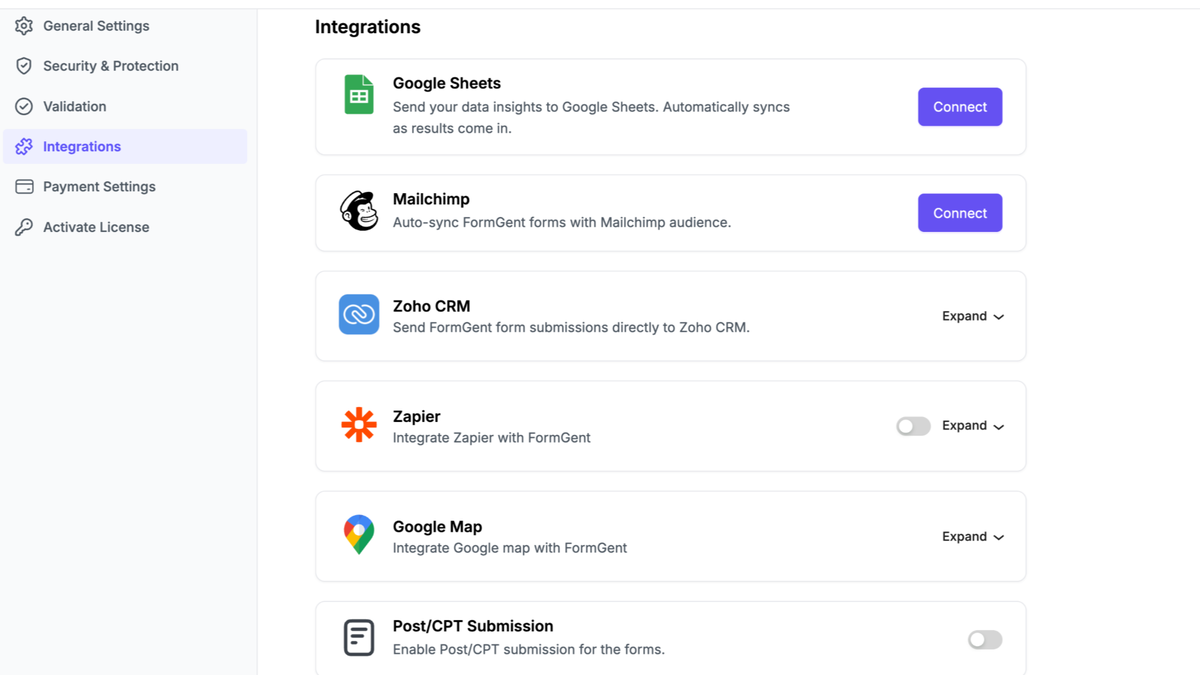
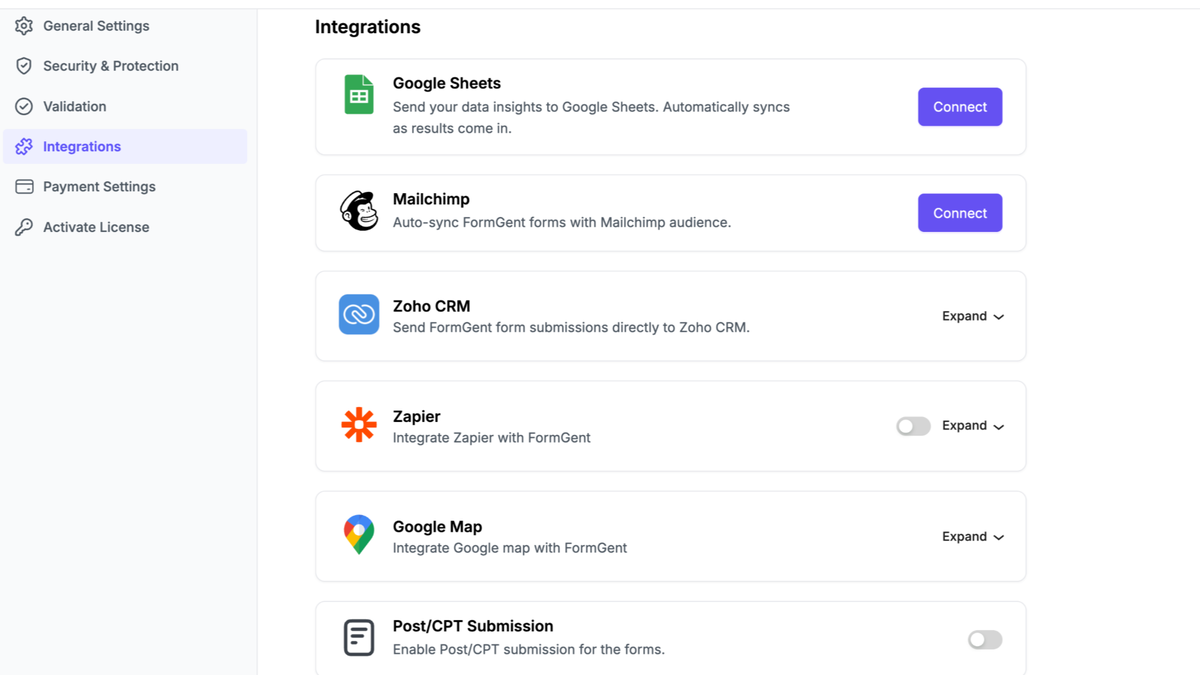
It’s a way to handle everyday tasks like collecting leads, getting responses faster, and passing that data into your workflow without extra setup. The goal is not to build more forms, but to help you actually use them to move your work forward.
I’m still looking for honest feedback and even criticism. If you’ve tried FormGent, I’d really like to know where it falls short, what you think should be prioritized next, and what problems you feel are still unsolved.
If you’re a founder or someone building products, your perspective would be especially valuable. Even a quick look and a few thoughts can help us shape the direction in a more meaningful way.


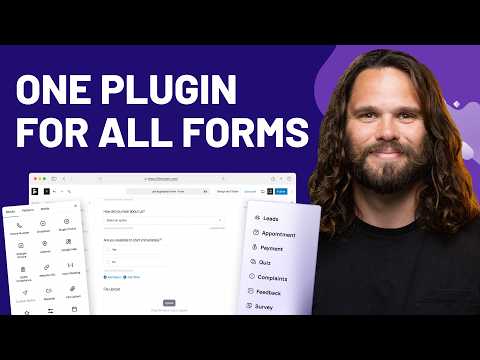
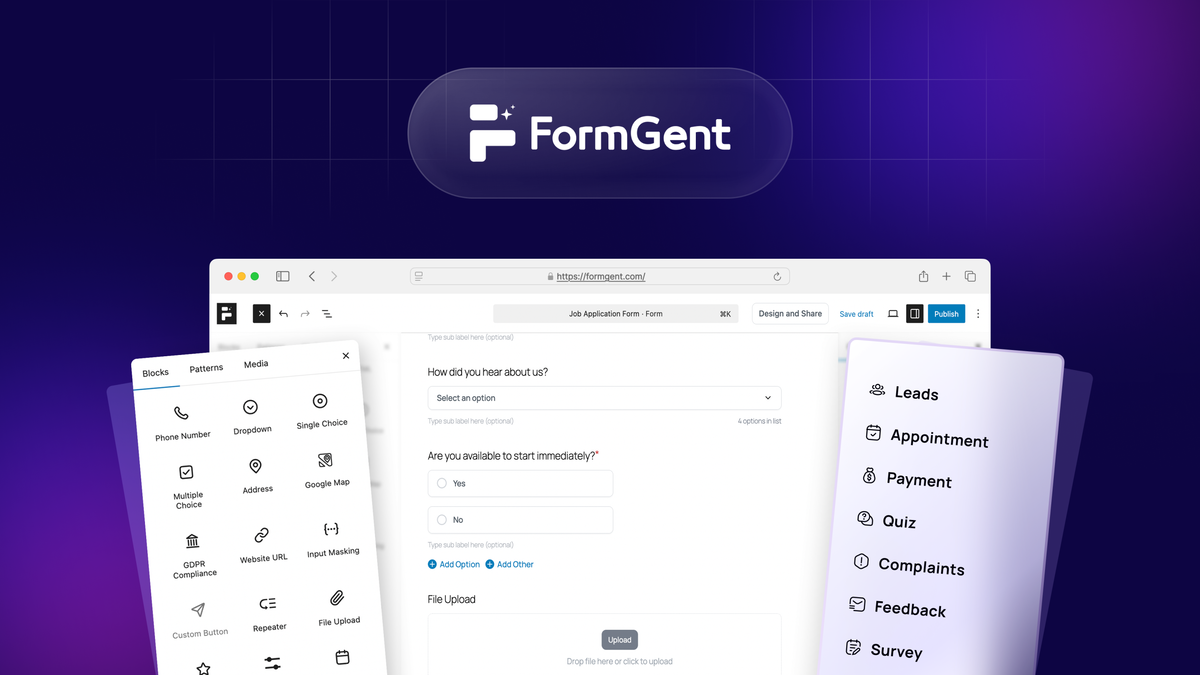
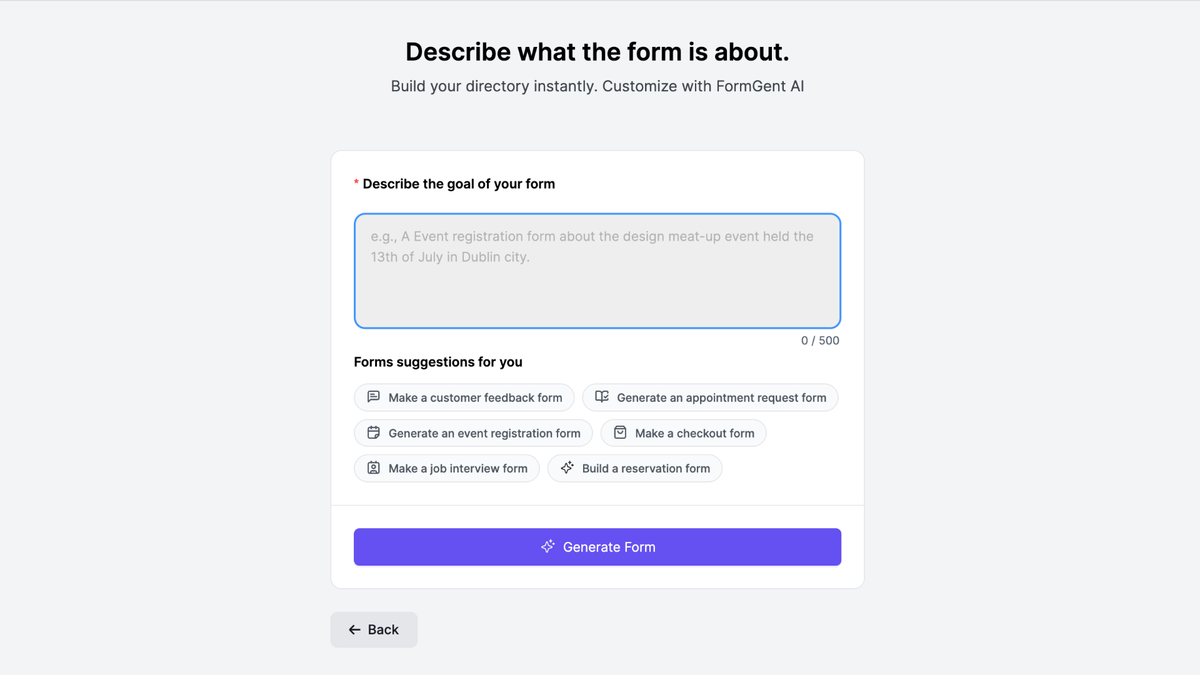
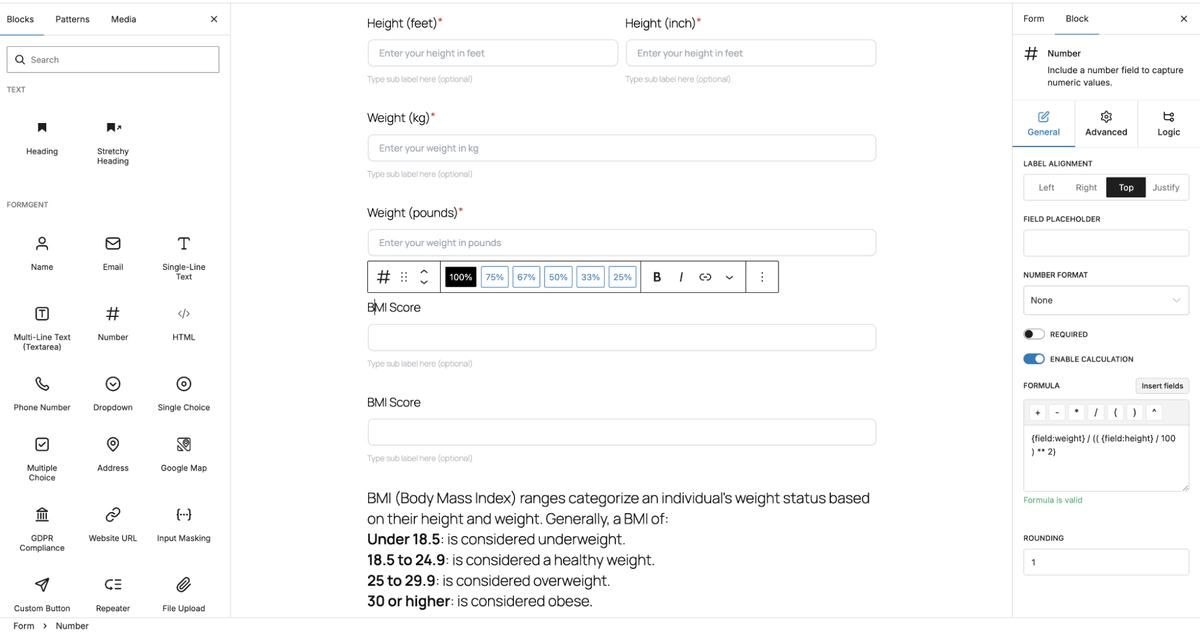


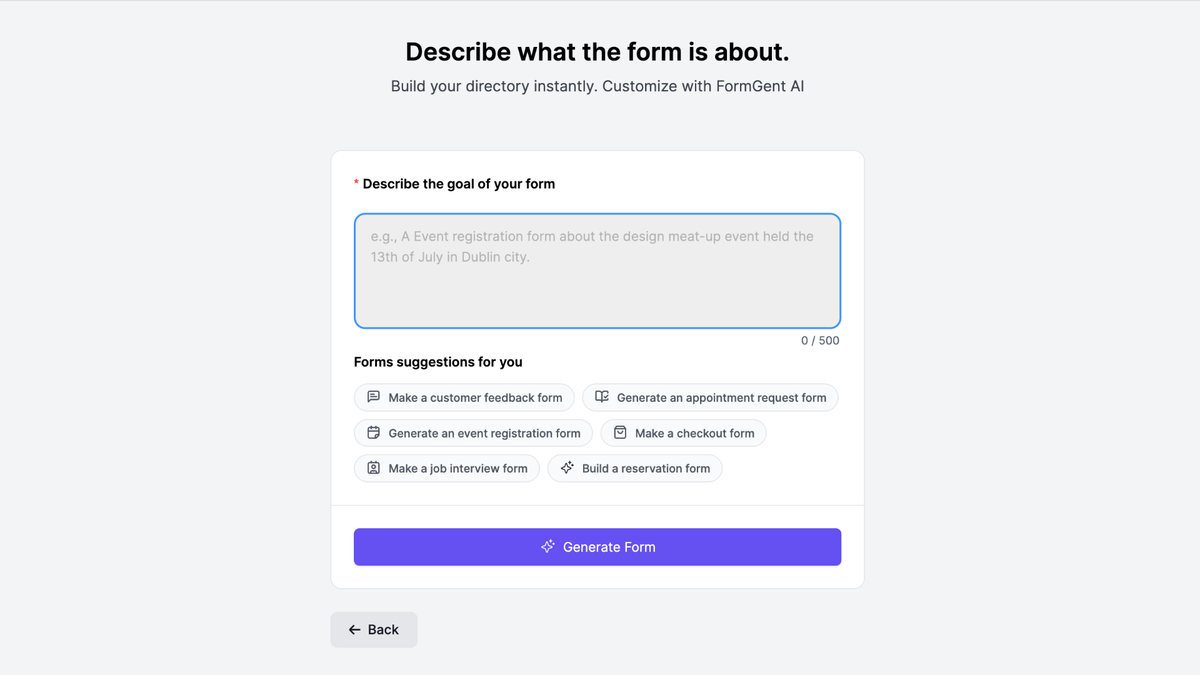
 Generate any form in seconds with AI-powered prompts and 30+ templates
 Recommended