AppSumo Radar beta
Radar products are early-stage listings that are managed by the team who built the product.Learn more about Radar

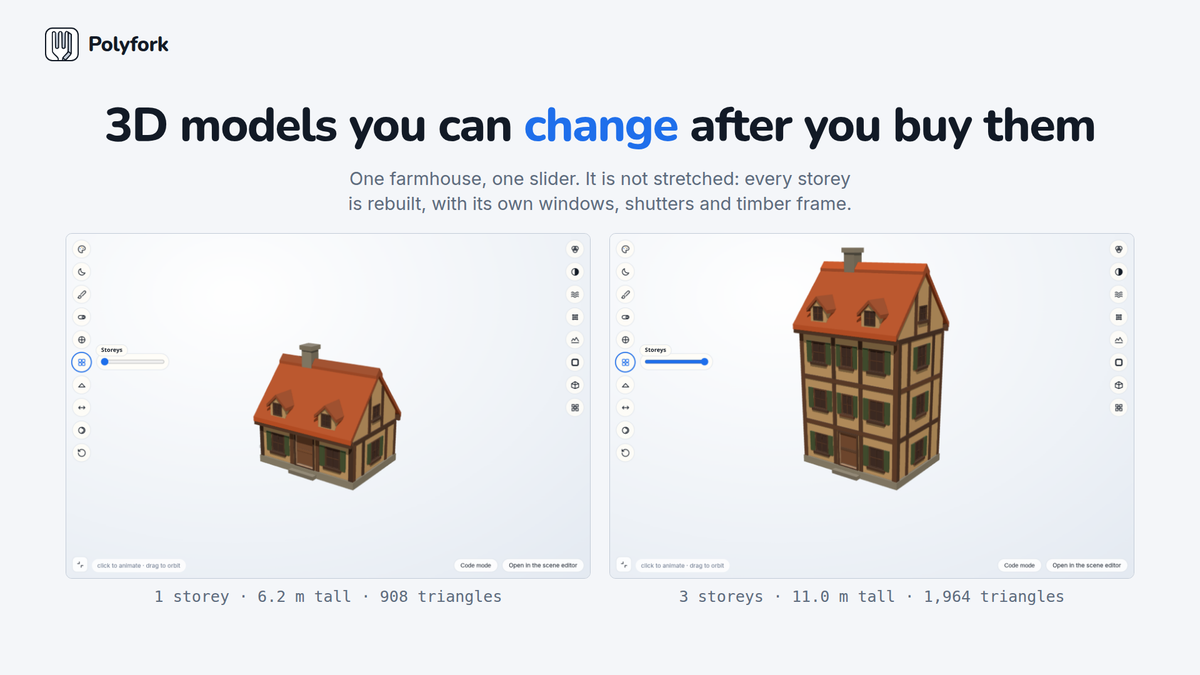
Most 3D asset packs hand you frozen meshes. Every Polyfork model is a small program with sliders, so you change its length, its parts and its colors in the browser, then download that exact variant for three.js, Unity, Godot or Blender.

No reviews yet, be the first!
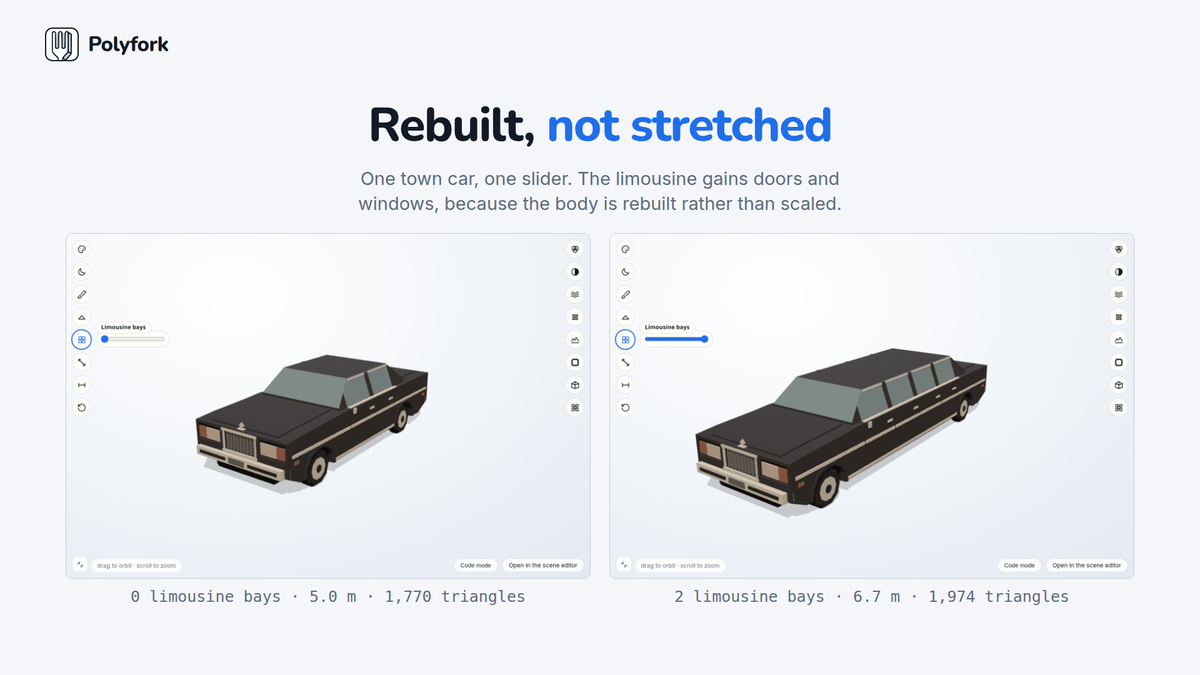
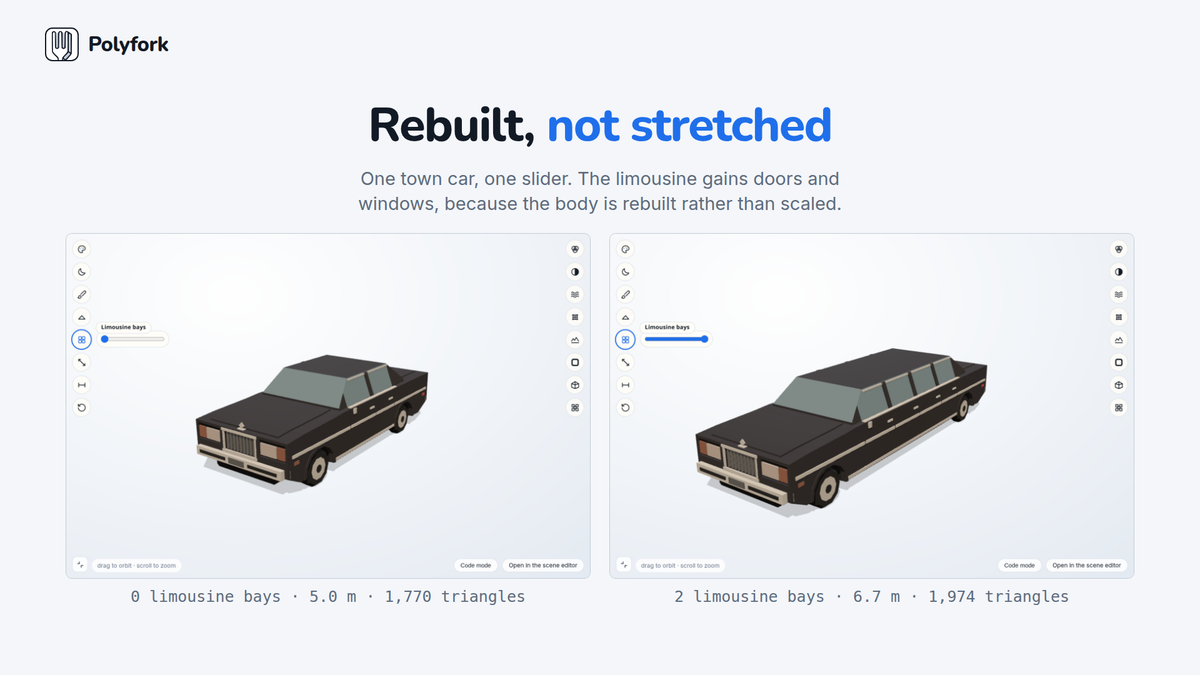
Town car limousine slider
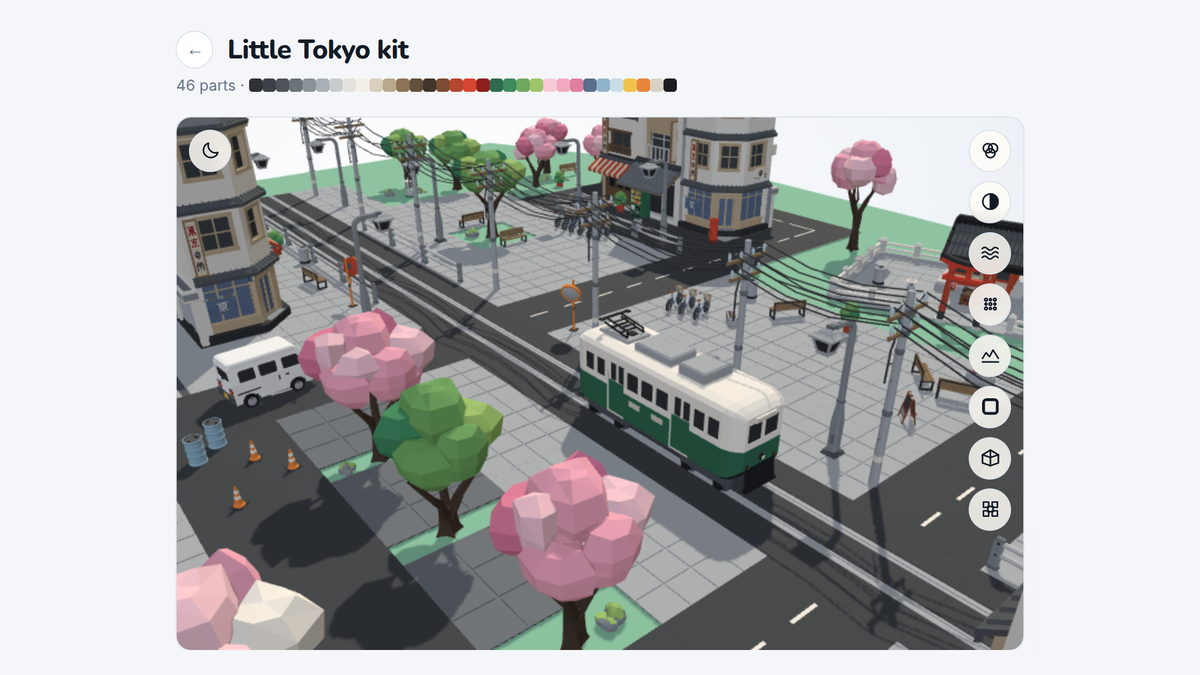
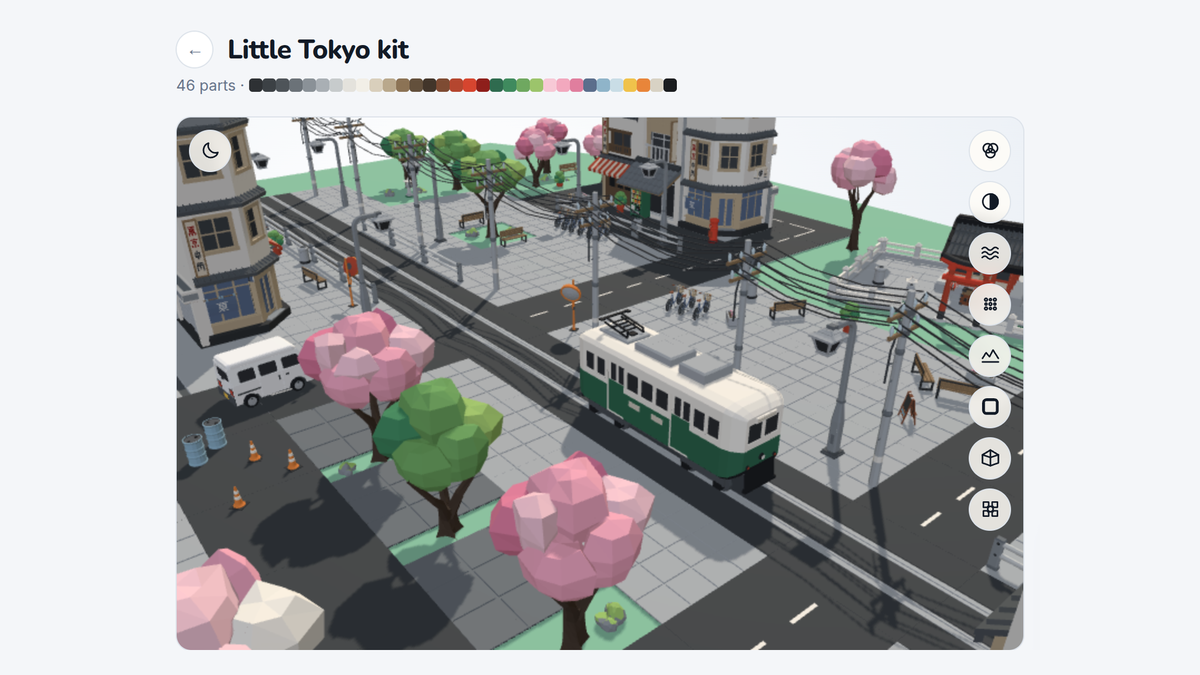
Little Tokyo kit scene
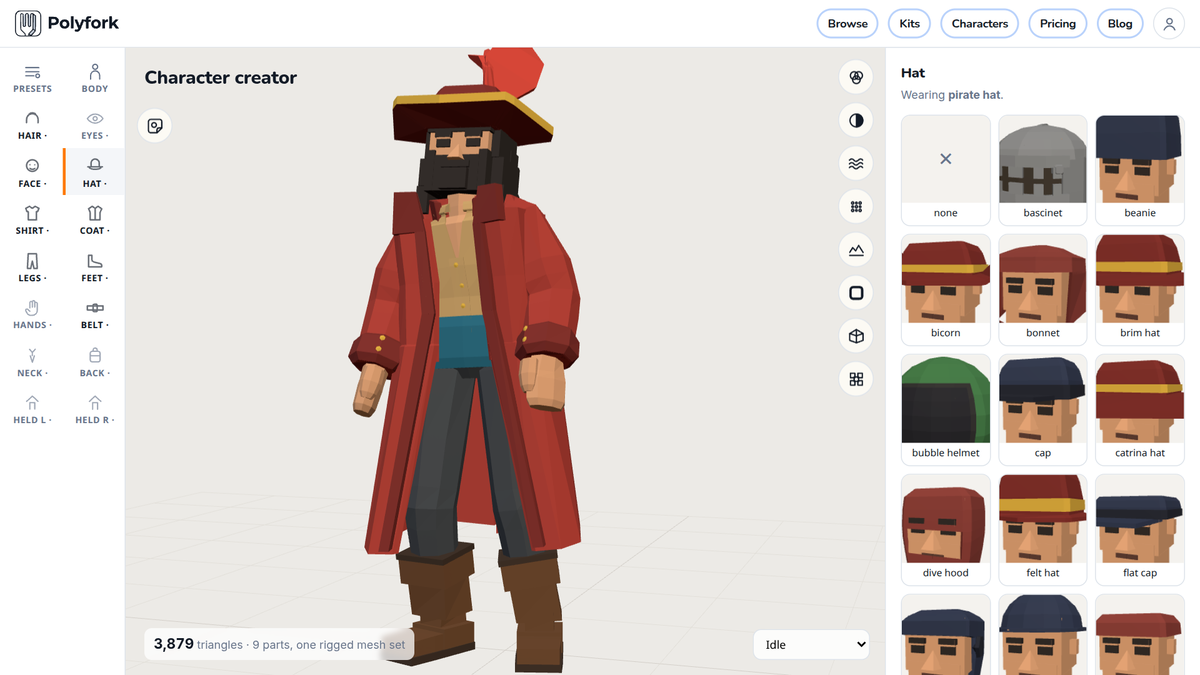
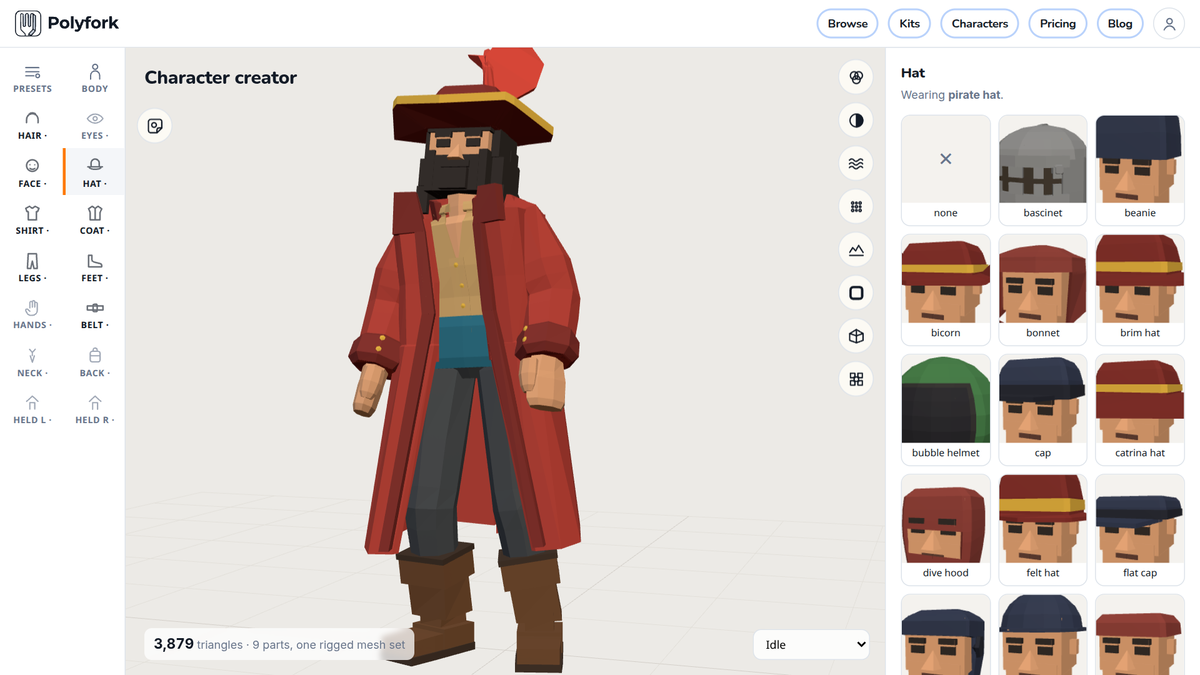
Character creator wardrobe
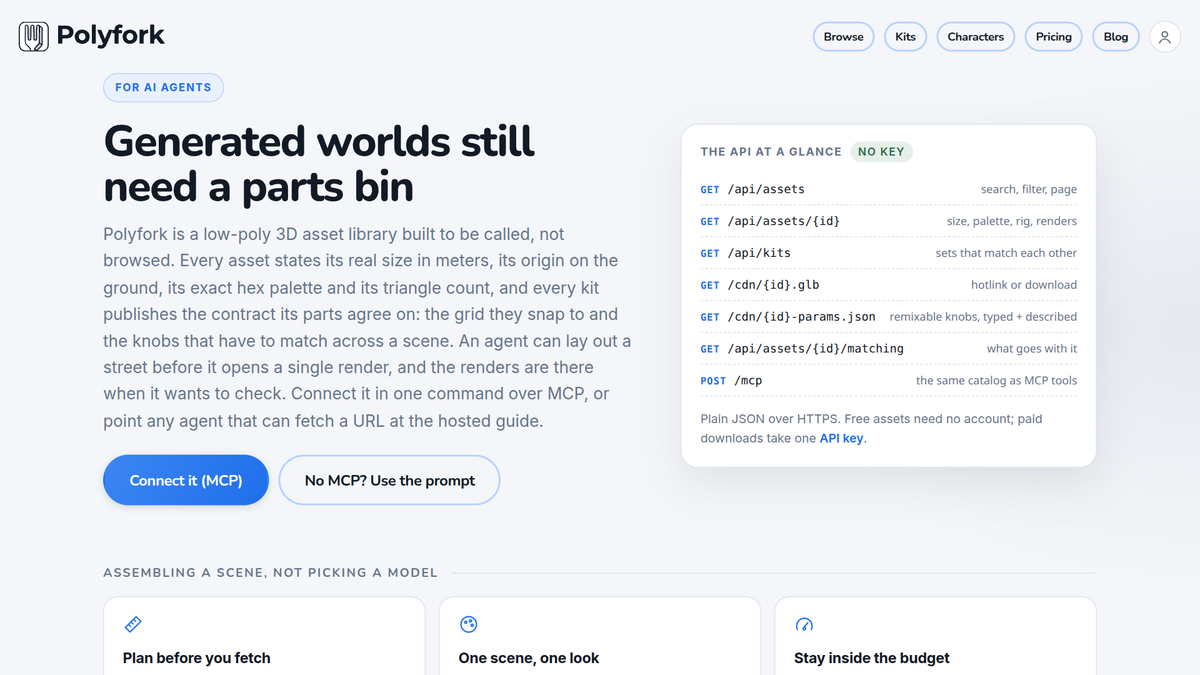
API and MCP endpoints

Polyfork

Micro-SaaS
-21%$99
$125
$99$125
  • Lifetime access
  • Refundable up to 60 days
No "We Got Your Back" guarantee. Radar is a discovery engine — we don't vet these products, so this guarantee doesn't apply.
AppSumo's 60-day refund applies to most deals. AI skills are non-refundable once redeemed.
AppSumo Labs

Early-stage product. Brought to you by the team who built it.

Polyfork is a library of more than 1,600 low-poly 3D models where every model is a small program with adjustable knobs rather than a fixed mesh. Reshape and recolor a model in the browser, then take it as GLB, FBX, USDZ or OBJ for three.js, Unity, Unreal, Godot, Blender and iOS AR. Rigged characters rebuild when you swap a garment, kits share one palette and one grid with procedural terrain that joins across kits, and an MCP server plus a REST API let AI coding agents search, preview and place assets on their own. Commercial use is included with no attribution.

TL;DR

  • checkmarkCode-based, remixable assets
  • checkmarkMulti-engine export
  • checkmarkConfigurable characters
  • checkmarkThemed kits with matching terrain
  • checkmarkBuilt for AI agents

At-a-glance

polyfork.dev

Alternative to

Shutterstock

Integrations

Rest API, Claude, MCP, Cursor, Codex

Best for

Developers, Solopreneurs, Web design agencies

Polyfork logo

Polyfork

What you can do with Polyfork

Reshape any model with sliders instead of opening Blender

  • Drag a slider and the mesh rebuilds in the browser: a town car becomes a stretch limousine with extra doors, a farmhouse gains a second and third storey, a tram gains passenger bays
  • Pick a curated palette or click a single part to recolor it
  • Download the variant you dialed in as a GLB baked on demand, with FBX, USDZ and OBJ files included for Unity, Unreal, Maya and iOS AR
  • Import the ES module in three.js with one line, no loader and no await, and keep every knob live at runtime
Reshape any model with sliders instead of opening Blender

Build a whole scene from kits that already match

  • Start from a themed kit such as Little Tokyo, Pirate Cove, Cozy Farm or Hospital, where every part shares one palette, one scale and one shape language
  • Snap parts together on the kit's grid so tiles butt edge to edge and walkable tops meet at ground level
  • Lay procedural terrain underneath: 13 kits ship a terrain program so far, and terrain from different kits joins on a shared 64m grid with no visible seam
  • Merge a finished scene into a single draw call, since every part is flat-shaded vertex colors on one material
Build a whole scene from kits that already match

Dress and rebuild rigged characters in the browser

  • Start from any of 63 rigged humanoids and swap the garment in any of fourteen slots: hat, coat, legs, feet, belt, held items and more
  • Change the age, the build or the expression, or repaint a zone, and the model rebuilds in about 14 milliseconds
  • Play Mixamo clips on whatever you build: the skeleton never moves, so there is nothing to retarget
  • Keep scenes light with characters under 4,000 triangles each, on one material with no textures
Dress and rebuild rigged characters in the browser

Let your AI coding agent find, preview and place assets

  • Connect the catalogue over MCP in one command so Claude Code, Cursor or Codex can search assets, compare renders and fetch files on their own
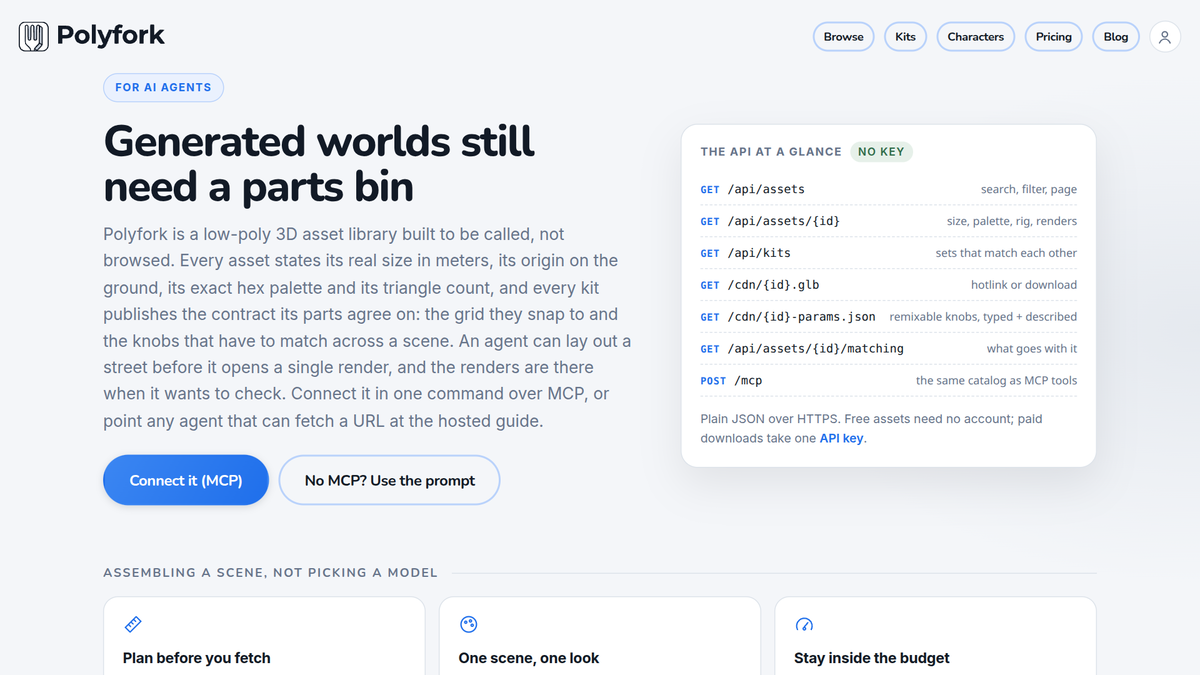
  • Call the REST API as plain JSON over HTTPS, with no key needed to browse
  • Plan layouts with arithmetic: every asset states its real size in meters, its origin on the ground, its hex palette and its triangle count
  • Read each model's knobs as typed, described JSON so an agent can set them without guessing
Let your AI coding agent find, preview and place assets

One plan, all inclusive

Feel secure in your purchase with AppSumo's 60 day money-back guarantee.

Refundable up to 60 daysNot covered by We Got Your Back. Why?
Deal terms & conditions
Polyfork
See Polyfork
Founded August 1, 2026
🇩🇪Berlin, Germany
1-10
Startup
Bootstrapped

Why I built a 3D library out of programs

I have been building more and more web 3D with three.js: 2D, 3D and XR. Next to a game engine, there is almost no supply chain around it. Finding a 3D asset is easy. Finding one that is the right height, the right density and the right era, in the same visual language as the twelve other things already in your scene, is not. The reason is that a 3D model is sold as a finished object. Someone else already decided how tall it is. You can scale it, which stretches it and looks wrong, or you can open a modeling tool and fix it yourself, which is the part most web developers do not want to do.

So I started building a library of 3D assets that are not objects but little programs: parametric, and customizable in the browser before you download anything. A traffic cone at two settings is not scaled, it is rebuilt, so a third reflective band appears once there is room for one. Assets are built in kits rather than one at a time, so the parts fit each other: one grid, one palette, one set of build rules per kit. And because a model is a program, you can import it like any other dependency, or hand it to an AI coding agent that can read its parameters, change one line and rebuild it.

I am one person. The catalogue is built by a factory of agents, and my job is to supervise it. One agent writes each model as code and renders its own work through a harness that reports what was actually built, not what the agent believes it built. A different agent grades it in a fresh session, and that judge has sent back roughly two thirds of everything ever submitted to it. Then I look at every finished model myself. I have sent work back hundreds of times, usually about proportion, which is the thing a machine reviewer is worst at and a person spots instantly. It runs unattended, and none of it runs unsupervised.

Polyfork is for people who build 3D for the web, for games and for XR without wanting to become modelers: three.js and React Three Fiber developers, Unity and Godot developers, and anyone whose AI coding agent needs a parts bin it can actually query. Where it is going: the largest set of 3D assets that arrive as code, installable from a URL, with a terrain generator for every kit and more knobs on every model. The first sale landed on launch day, 1 August 2026, and the catalogue has grown every week since.

What “Radar” means for this product

Learn more about AppSumo deals

Radar is home to early-stage products looking to gain traction. Here’s the lowdown of what these deals are and aren’t.

Where it is in its life

Radar products are at the start of their journey. They're fresh on the scene and building a customer base.

How we vouch for it

We've verified the basics and reviewed the listing for safety. Success isn't guaranteed — we haven't fully vetted every claim, feature, or result.

Code & security review

All AI skills are reviewed for security purposes. We do not review software code — partner owns security and what ships.

Refund policy

60-day refund on most deals. AI skills are non-refundable once redeemed.

Pricing

Prices are set by the founder. Simple as that.

Where you'll see it

The Radar section of our site exclusively. These products are in early discovery and not quite ready for the AppSumo limelight yet.

Radar is a discovery engine — because we aren’t vetting these products, our We Got Your Back guarantee doesn’t apply. Should these products show traction, our team will work with theirs to get them ready for the main stage (and protected).

Questions & reviews